Editorial Team · October 9, 2026 · 12 min read
Drain & Sewer Tips / how-to
Last Updated: October 9, 2026
A sewer line collapsed means the underground pipe carrying waste from your home to the municipal system has cracked, broken, or completely failed. This is one of the most serious plumbing emergencies a homeowner can face. At Drain Plumber Pro, we've learned to spot the warning signs before homeowners realize how serious the problem has become.
The key is catching it early. A small crack can become a catastrophic failure in weeks. The good news: you don't need to be a plumber to recognize the red flags.
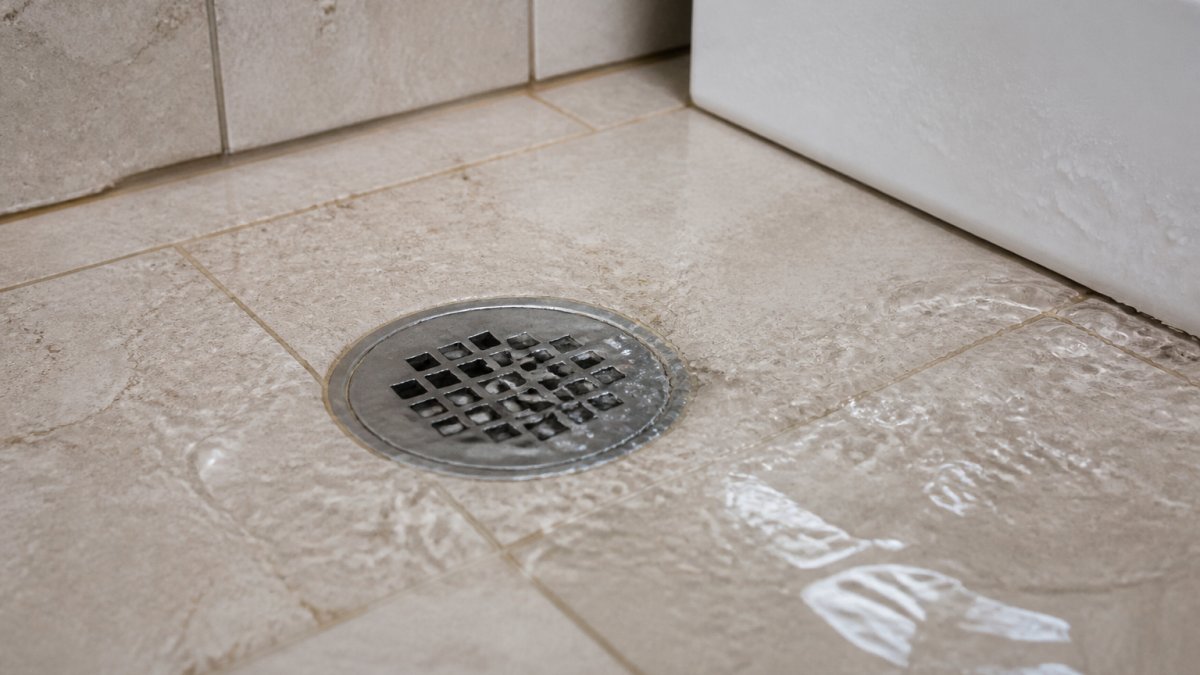
Multiple drains backing up at the same time is the clearest indoor signal. You'll notice water pooling in your shower, toilet, or lowest-level sink. This happens because the collapsed section blocks the entire main line, not just one drain.
Foul odors coming from drains or your yard are another red flag. A collapsed pipe allows sewage to leak into the surrounding soil. You may smell this near your foundation, in the basement, or even in your yard.
Watch for these indoor symptoms:
If you're seeing more than one of these, the problem is likely beyond the house itself. A simple clog affects one fixture. A collapsed sewer line affects your entire drainage system.
Your yard often shows signs before your home does. Look for soggy patches that don't dry out after rain. Sewage leaking from a collapsed pipe saturates the soil. Grass may grow unusually lush in that spot due to the nutrient-rich sewage.
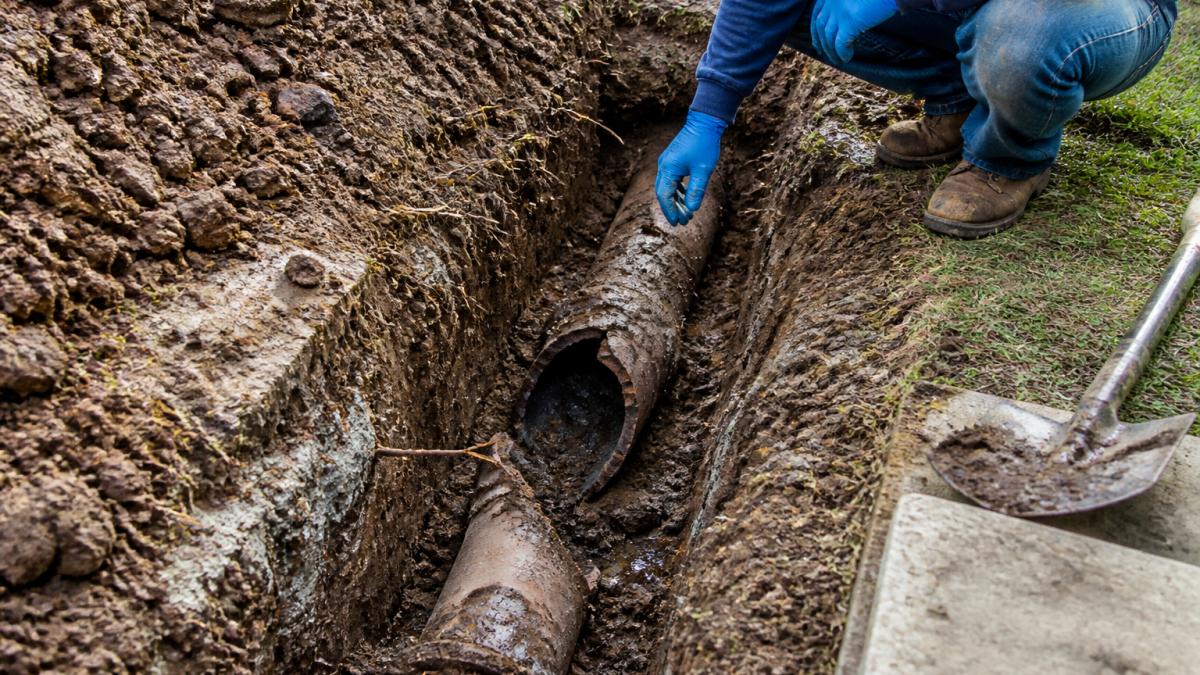
Sinkholes or depressions in your yard are serious. The ground collapses when the pipe beneath it fails. This is dangerous and requires immediate professional attention.
Check for these outdoor indicators:
In Colorado Springs, tree roots are a common culprit. Roots seek out water and can crack pipes over years. If you have mature trees near your sewer line, you're at higher risk. A collapsed sewer line from roots often starts as slow drainage and progresses to complete blockage.
Understanding the difference between these two problems saves you money and prevents unnecessary repairs. A collapsed sewer pipe is structural failure. A clogged drain is a blockage that can usually be cleared.
A clogged drain affects one fixture or one section of your plumbing. You notice it in your shower, toilet, or kitchen sink. Snaking or hydro jetting clears it. The problem returns only if the blockage reforms.
A collapsed sewer line affects your entire main drainage system. Multiple drains back up. The problem doesn't go away with a simple snake. Even after clearing a blockage, sewage continues to leak into your yard because the pipe itself is broken.
Here's the practical difference:
| Problem | Symptom Pattern | Solution | Recurrence |
|---|---|---|---|
| Clogged drain | Single fixture backs up | Snaking or hydro jetting | Returns if debris rebuilds |
| Collapsed sewer line | Multiple drains back up | Pipe repair or replacement | Won't resolve without structural repair |
Drain Plumber Pro uses camera inspection to tell the difference immediately. We can see whether the pipe is blocked by debris or actually broken. This prevents you from paying for a snake when you really need excavation and repair.
Sewer lines fail for several reasons. In Colorado Springs, the most common culprit is tree root intrusion. Roots follow moisture and crack pipes from the outside. Once the crack forms, soil enters the pipe, creating blockages and further damage.
Age is another major factor. Pipes installed 40 or 50 years ago are reaching the end of their lifespan. Clay and cast iron pipes deteriorate. Concrete pipes crack. PVC lasts longer but can still fail under ground pressure.
Ground movement causes many failures. Colorado Springs experiences freeze-thaw cycles. Soil shifts and settles. Heavy equipment or construction above the line can crush it. Earthquakes or significant vibrations can also damage underground pipes.
Common causes of collapsed sewer lines include:
Understanding the cause matters. If tree roots caused the collapse, they'll damage a replacement pipe too unless you remove the tree or install root barriers. At Drain Plumber Pro, we identify the cause during inspection so we can recommend the best long-term solution.
A sewer camera inspection is the only way to definitively diagnose a collapsed sewer line. We insert a small, waterproof camera into your drain line and watch the footage in real time. You see exactly what's happening inside the pipe.
The camera shows us whether the pipe is cracked, collapsed, offset, or simply blocked. We can measure the damage and identify the exact location. This information determines whether you need repair or replacement.
Camera inspection takes 30 minutes to an hour for most residential lines. We run the camera from your home's cleanout (the access point) toward the municipal connection. The footage is recorded so you have documentation of the problem.
What the camera reveals:
Many homeowners worry about the cost of camera inspection. More importantly, it prevents you from paying for unnecessary repairs. You won't authorize expensive excavation for a problem that's actually just a clog.
You have two main repair options: trenchless repair and traditional excavation. The right choice depends on the severity of the collapse, the pipe material, and your budget.
Trenchless repair avoids digging up your entire yard. We use specialized equipment to repair the pipe from inside. This is faster, less disruptive, and often less expensive than excavation.
The most common trenchless method is pipe bursting. We insert a new pipe through the old one, breaking it apart as we go. The new pipe takes its place.
Another trenchless option is epoxy lining. We coat the inside of the damaged pipe with epoxy resin. This seals cracks and prevents root intrusion.
Trenchless repair benefits:
Trenchless repair has limits. The camera inspection tells us whether trenchless repair is viable for your situation.
When the sewer line is severely collapsed or offset, traditional excavation is necessary. We dig down to the damaged section, remove the old pipe, and install new pipe. This is more disruptive but is the only option for severe damage.
Excavation takes longer. You'll see heavy equipment in your yard. Landscaping and hardscape may need restoration afterward. But excavation gives you a brand-new pipe with decades of life remaining.
We typically install PVC or high-density polyethylene (HDPE) pipe. These materials resist root intrusion and last 50+ years.
Excavation repair benefits:
At Drain Plumber Pro, we provide detailed estimates for both options. We explain the pros and cons so you can make an informed decision.
First, stop using water if you're seeing sewage backups. Continued use pushes more sewage into your yard or basement. If backups are severe, call a professional immediately.
Document the problem. Take photos of wet spots, sinkholes, or visible damage. Note when the problem started and which drains are affected. This information helps the plumber diagnose the issue faster.
Call Drain Plumber Pro for emergency service. We offer 24/7 response for nights, weekends, and holidays. We'll schedule a camera inspection to confirm the problem and discuss your repair options.
Do not attempt DIY repairs. A collapsed sewer line is beyond the scope of homeowner fixes. Improper repairs can make the problem worse and create health hazards.
Steps to take immediately:
The biggest mistake is assuming a clog will fix itself or that snaking will solve the problem permanently.
Another common error is ignoring early warning signs. Slow drains in multiple rooms or occasional backups are red flags. Waiting until you have raw sewage in your basement costs more to fix and creates a health hazard.
Some homeowners try to save money by hiring unlicensed plumbers or using cheap drain cleaning services. These shortcuts often make the problem worse. An improper camera inspection might miss the collapse entirely. You end up paying twice: once for the failed attempt and again for proper repair.
Mistakes to avoid:
The most expensive mistake is waiting. A small crack becomes a complete collapse. A collapsed section becomes multiple collapsed sections.
If you're experiencing multiple drain backups, foul odors, or wet spots in your yard, don't wait. A collapsed sewer line worsens quickly and can damage your foundation and landscaping. Contact Drain Plumber Pro for a professional camera inspection in Colorado Springs. We'll identify the exact problem, explain your repair options, and get your sewer line working again with same-day service.
The most common signs include multiple drains backing up at once, sewage odors inside or outside your home, patches of lush grass or wet spots in your yard, and slow drainage throughout the house. If you notice these signs together, a collapsed sewer line is likely. A professional sewer camera inspection is the only way to confirm the diagnosis and locate the exact problem area.
Visual signs suggest a problem, but you cannot confirm a collapsed sewer line without a camera inspection. Backups and odors can indicate clogs, tree root intrusion, or structural damage. A camera inspection shows the exact condition of your pipe, whether it's partially or fully collapsed, and helps determine the best repair approach. This prevents guesswork and unnecessary repairs.
A sewer camera inspection provides the accurate diagnosis needed to avoid unnecessary expenses. Repair costs vary based on the damage extent, location, and method used. Contact Drain Plumber Pro for a quote on both inspection and repair options based on your specific situation.
A clogged drain is a blockage from grease, roots, or debris that slows water flow but leaves the pipe intact. A collapsed sewer line means the pipe structure itself has broken, cracked, or shifted. Clogs respond to snaking or hydro jetting, while collapses require structural repair or replacement. This is why accurate diagnosis matters, treating a collapse like a clog wastes money and fails to solve the problem.
Free estimates. Camera-verified answers. 24/7 emergency drain service.
Request ServiceCall (719) 639-4137