Editorial Team · September 26, 2026 · 15 min read
Drain & Sewer Tips / blog
Last Updated: September 26, 2026
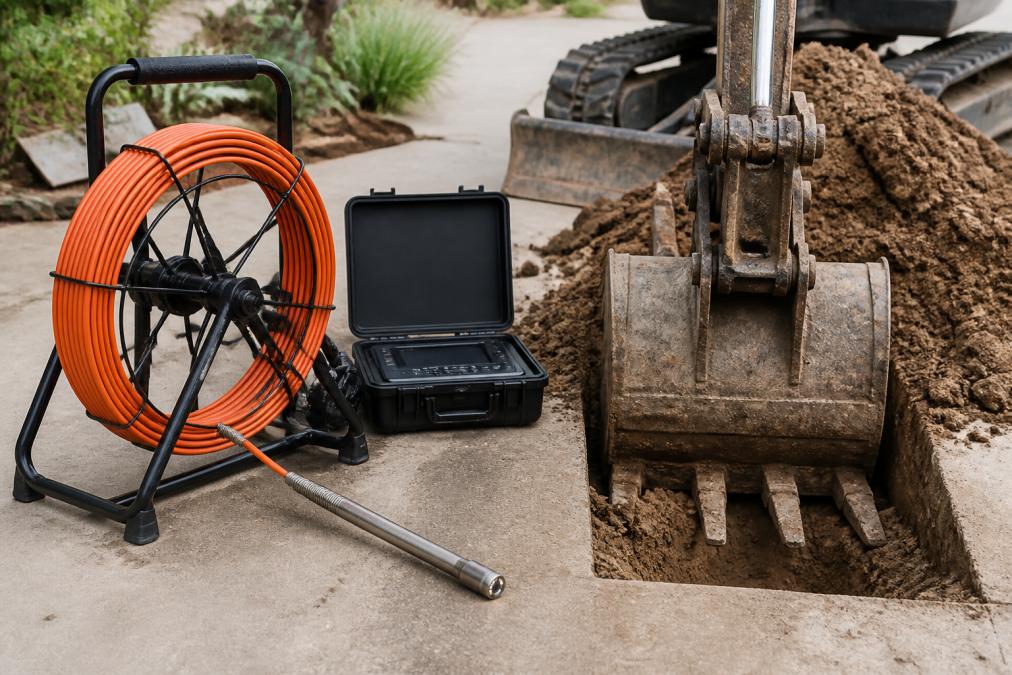
A sewer camera inspection threads a waterproof camera through your main sewer line to record real-time footage of the pipe's interior. Excavation digs up that same line to replace or patch it. The cost gap is enormous, and knowing which you need is the most important financial decision here.
Camera inspection pricing depends on access, line length, and whether a clean-out exists. Excavation pricing depends on depth, soil, surface restoration, and how much pipe needs replacing. They're priced on different variables: a camera inspection is a fixed-scope diagnostic, while excavation is an open-ended construction project.
What pushes camera inspection costs up:
What pushes excavation costs up:
| Factor | Camera Inspection | Excavation |
|---|---|---|
| Scope | Diagnostic only | Full repair or replacement |
| Duration | Usually under 2 hours | One to several days |
| Surface damage | None | Driveway, lawn, or slab |
| Restoration needed | No | Yes, often significant |
| Pricing basis | Access and line length | Depth, length, and surface |
A sewer line repair cost estimate should never be given before a camera inspection is complete. Any contractor who quotes without seeing inside the pipe is guessing, and you'll pay for that guess. Drain Plumber Pro does not publish flat rates because two homes on the same street can have wildly different line conditions. Request a quote after diagnostics, not before.
Three variables move a repair estimate more than anything else. Line length determines how much pipe material is involved. Depth determines how much soil must be removed and how the trench is supported. Access determines whether equipment can reach the line without tearing up a finished surface.
Trenchless sewer repair vs excavation comes down to pipe condition, not preference. Trenchless works when the existing pipe can still guide a new liner or bursting head through it, pulling it through with minimal digging from two small access pits. Excavation is required when the pipe has collapsed, offset, or lost its shape entirely. The trade-off is surface damage versus suitability.
Trenchless works best when:
Excavation is necessary when:
Signs of a collapsed sewer pipe include sewage backing up into multiple fixtures at once, gurgling drains throughout the house, and standing water in the yard above the line. Any of these means you stop using water and call for a camera inspection immediately.
A camera inspection prevents unnecessary excavation by proving whether the pipe is damaged or simply blocked. Many lines quoted for full replacement turn out to have a single root intrusion or heavy grease buildup that hydrojetting resolves. The inspection converts a guess into a diagnosis, and stops a contractor from selling you a dig you don't need.
Most guides leave you with a pile of factors and no way to sort them. Use this if/then logic instead. It won't replace a professional diagnosis, but it tells you which conversation to have.
The price of waiting is not linear. A root intrusion caught early is a hydrojetting job; left two more years, it widens the joint and creates a low spot where waste collects, now it's a spot repair. Left longer, the pipe sags, offsets, and collapses into a full-length replacement under a restored driveway. Skipping the inspection doesn't save the diagnostic fee; it moves that money into the repair, where it buys less.
Not every camera finding means the same thing. Two lines can look similar on video and require completely different responses.
Homeowner's insurance typically covers sudden, accidental damage to a sewer line, not gradual deterioration. That distinction decides whether your claim is approved or denied. The second gap is assuming a rented camera can do what a professional locator does.
Standard homeowner policies generally treat the sewer line as part of the property, and coverage hinges on cause, not cost, almost always the words "sudden and accidental."
More likely to be covered:
Almost always excluded:
The ROI argument for inspection isn't that it's cheap, it's that it changes which repair you buy. A diagnostic visit costs a fraction of a full excavation and does two things at once: rules out replacement when the pipe is sound, and confirms the exact scope when it isn't. Either outcome saves money, because the alternative is exploratory digging to find a problem the camera would have located in under two hours.
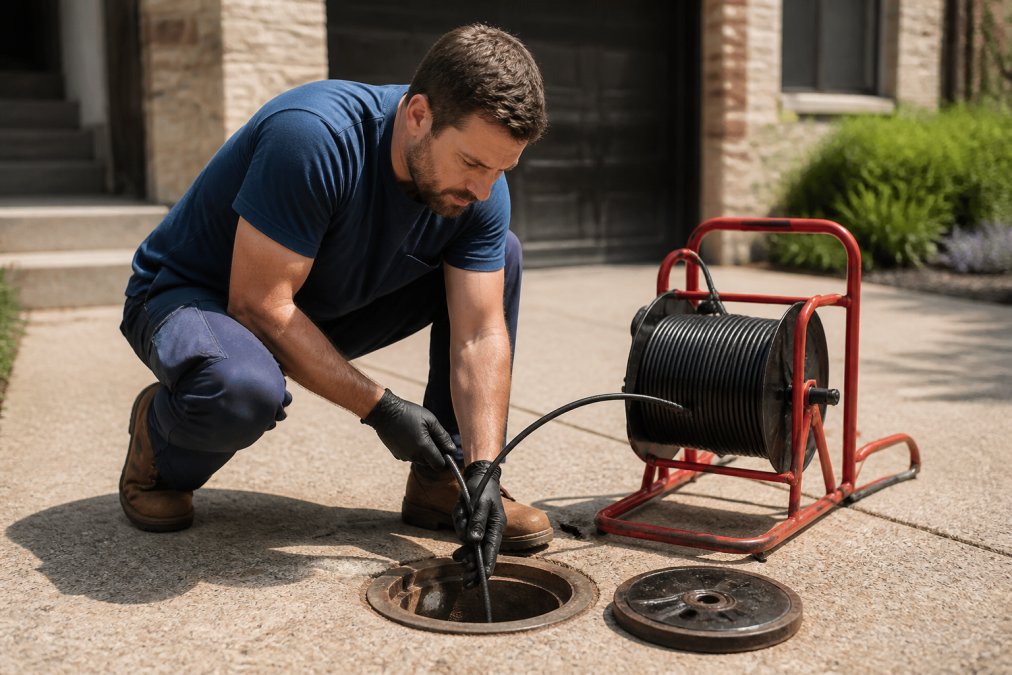
A rented sewer camera can show you something is wrong. It usually can't tell you where or how bad, which is what a repair estimate depends on.
The real cost decision isn't camera inspection versus excavation. It's whether you diagnose before you dig, or pay for the dig and hope it was necessary. A camera inspection is the cheapest way to know which repair you need, and it protects you from quotes built on guesswork.
A camera inspection shows the inside of the pipe in real time, so you can see cracks, root intrusion, pipe offset, or bellies before anyone digs. That footage often reveals the problem is a recurring clog or scale buildup that hydrojetting can clear, not a collapsed line. Skipping the camera can lead to excavation you did not need, which is the most expensive path. Ask for the recording and a written summary of what it shows.
Camera inspections are a diagnostic service, and excavation is a repair, so the two are priced on completely different scales. Excavation pricing depends on line length measured per linear foot, depth, soil conditions, landscaping restoration, and utility location work. A camera inspection costs a fraction of that because it involves no digging. Drain Plumber Pro does not publish flat rates; request a quote for current pricing in your area.
Yes, and that is the main reason to schedule one. Footage identifies whether the line has structural integrity left or has actually failed. If the pipe is intact and the blockage is grease, roots, or scale, hydrojetting or spot repair can resolve it without trenching. If the pipe has collapsed or has a severe offset, the camera confirms it so the excavation scope is accurate and you are not paying to dig twice.
Repeated backups in multiple fixtures, sewage odors inside or outside the home, slow drains throughout the house, soggy or unusually green patches in the yard, and gurgling sounds after running water are common warnings. Foundation cracks or sinkholes near the sewer lateral point to a serious failure. Any of these warrant a camera inspection before the damage spreads and the repair estimate climbs.
Free estimates. Camera-verified answers. 24/7 emergency drain service.
Request ServiceCall (719) 639-4137