Editorial Team · October 14, 2026 · 14 min read
Drain & Sewer Tips / ultimate-guide
Last Updated: October 14, 2026
Trenchless sewer repair is a method of fixing underground pipes without excavating your yard or property. Instead of digging trenches that disrupt landscaping, driveways, and structures, technicians use specialized equipment to access and repair pipes from existing access points. This approach has become increasingly popular in Colorado Springs and surrounding areas because it addresses the core problem: how to fix failing sewer lines while minimizing surface damage and labor costs.
The distinction matters because traditional excavation repair often means tearing up your entire yard, removing trees, and dealing with weeks of restoration work afterward. Trenchless methods avoid that disruption. Homeowners consistently choose trenchless solutions when they understand what's actually involved in the repair process and how the costs break down.
Understanding trenchless sewer repair cost is essential before you get quotes. The method you choose, the condition of your pipes, and the length of the damaged section all influence what you'll pay. This guide walks you through the major cost factors, the different repair techniques available, and how to get an accurate estimate so you're not surprised when the bill arrives.
Trenchless sewer repair typically involves one of two primary methods: pipe bursting or pipe lining. Each approach has different cost implications and works best in specific situations.
Pipe lining is the more common trenchless method. A flexible, resin-coated tube is inserted into the damaged pipe and inflated or pulled into place, creating a new pipe inside the old one.
Pipe bursting involves breaking apart the old pipe while simultaneously pulling a new pipe through the space it occupied. This method is more aggressive and typically used when pipes are severely damaged, collapsed, or when upgrading to a larger diameter pipe.
The cost of trenchless sewer liner installation depends on several variables. Pipe material, the length of the section being repaired, and soil conditions all play a role. Access point availability matters too, if technicians can easily reach the damaged section, work proceeds faster.
Many homeowners find that getting multiple quotes helps clarify pricing. Each contractor may approach the same repair differently, which can result in different cost estimates. The key is understanding what's included in each quote and whether the contractor has actually inspected your pipes before providing a number.
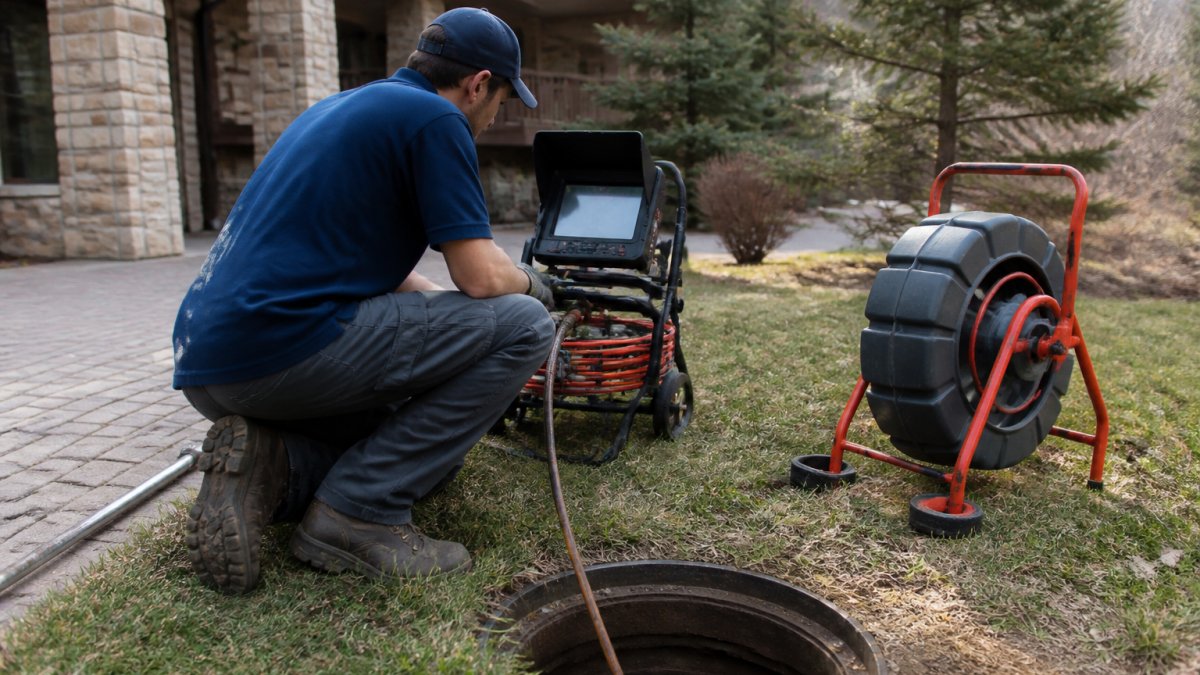
A sewer camera inspection is the diagnostic step that precedes any repair decision.
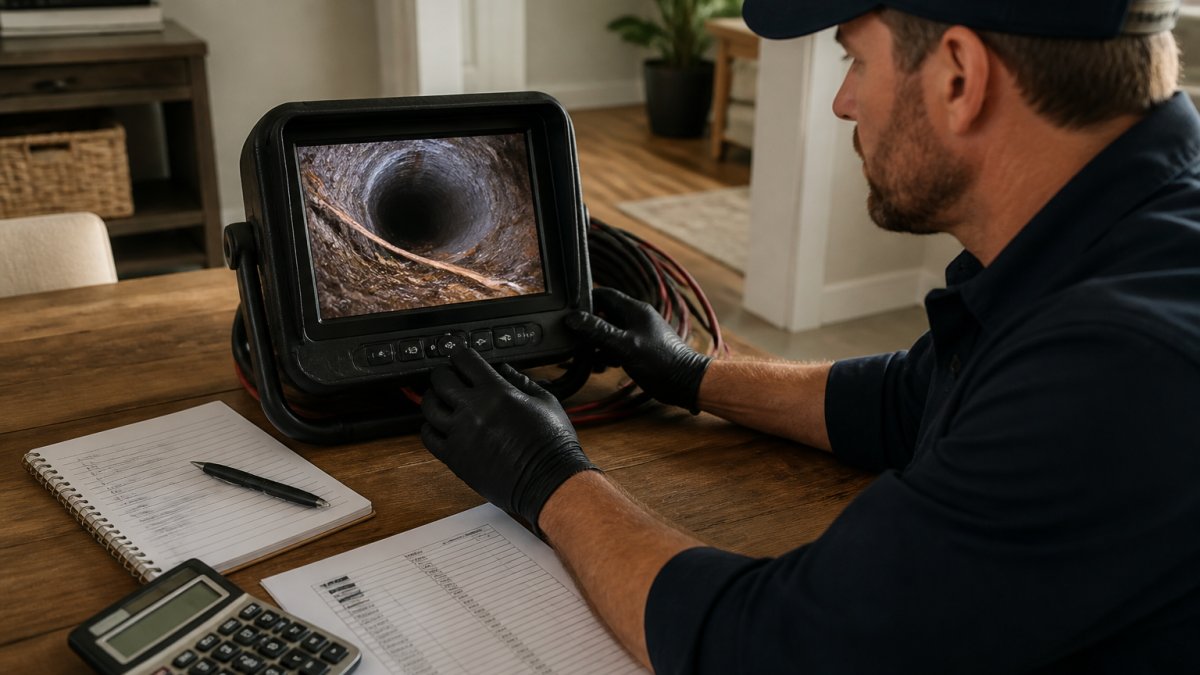
The camera sends real-time video to a monitor above ground, allowing the technician to see inside your pipes without digging. The footage reveals cracks, breaks, root intrusion, grease buildup, pipe scale, and misaligned joints.
A sewer camera inspection typically costs less than a full repair and provides the information needed to make an informed decision. The inspection takes one to two hours depending on the length of pipe being examined.
What the camera reveals directly influences repair costs. Some homeowners discover their "main sewer line backup" is actually a localized clog near the cleanout, which requires only hydro jetting rather than a full trenchless repair.
This is why the camera inspection is your best defense against overpaying. It prevents contractors from recommending expensive repairs for problems that don't exist or recommending repairs that are larger in scope than necessary.
The choice between trenchless and traditional excavation repair hinges on cost, timeline, and property impact. Understanding the trade-offs helps you decide which approach makes sense for your situation.
Traditional excavation involves digging a trench to expose the damaged pipe, removing the old pipe, and installing a new one. This method is straightforward and has been used for decades.
Trenchless methods avoid digging but have limitations. Pipe lining works only if the existing pipe is structurally sound enough to hold the new liner in place (F2207 Standard Specification for Cured-in-Place Pipe Lining System for Rehabilitation of...).
Cost comparison depends on several factors. Trenchless repair typically requires less labor and equipment mobilization time, which can make it cheaper upfront. However, if your property has mature landscaping, a pool, a driveway, or structures over the sewer line, the cost savings of avoiding excavation become more significant.
Traditional excavation, on the other hand, may be the only option if pipes are severely damaged or if the repair location is inaccessible to trenchless equipment.
Getting quotes for both methods allows you to compare actual numbers rather than assumptions. Some contractors specialize in one method and may not offer the other, so shop around to ensure you're getting a fair comparison.
Several specific variables determine what you'll actually pay for trenchless sewer repair. Understanding these factors helps you anticipate costs and evaluate whether quotes from different contractors are reasonable.
Pipe length is the primary cost driver. The camera inspection reveals the exact length of the problem area, so you'll know this number before getting a final quote.
Pipe material and diameter matter because different pipes require different repair approaches. Cast iron pipes, PVC pipes, and clay pipes all behave differently during repair.
Accessibility affects labor costs. If the damaged section is easy to reach from an existing cleanout or access point, work proceeds faster.
Soil conditions can complicate trenchless work. Rocky soil, high water tables, or unstable ground may require additional preparation or equipment.
Severity of damage influences which repair method is appropriate and how much work is required. A single crack is simpler to repair than multiple breaks or a collapsed section.
Urgency can affect pricing. Emergency service calls outside normal business hours typically cost more. If your situation is not urgent, scheduling repair during regular business hours may reduce costs.
Local regulations and permits vary by location. Some municipalities require permits for sewer work, which adds cost and timeline.
Getting multiple estimates is standard practice, but the quality of the estimate depends on the information provided. Here's how to ensure you're comparing apples to apples.
Start with a camera inspection. This is the foundation of an accurate estimate. The inspection reveals the exact problem, its location, and its extent.
Provide detailed information about your property. Tell the contractor about structures, landscaping, driveways, or other features above or near the sewer line. This helps them assess accessibility and potential complications.
Ask what's included in the estimate. Does it cover the inspection, materials, labor, equipment, site cleanup, and restoration? Some contractors bundle everything; others itemize separately.
Request a timeline. How long will the repair take? Will it require multiple visits? Understanding the schedule helps you plan around the work and assess whether rush fees apply.
Clarify warranty and guarantees. What does the contractor guarantee about the repair? How long is the warranty? What happens if the problem recurs?
Ask about payment terms. Some contractors require payment in full before starting. Others accept payment upon completion. Some offer financing options. Understanding payment expectations prevents surprises.
Get everything in writing. A verbal quote is worthless if there's a dispute later.
| Estimate Element | What to Look For | Why It Matters |
|---|---|---|
| Camera inspection | Included or separate cost clearly stated | Ensures diagnosis is accurate before repair |
| Repair method | Pipe lining, pipe bursting, or excavation specified | Different methods have different costs and outcomes |
| Pipe length | Exact footage of damaged section | Primary cost driver for trenchless repair |
| Materials | Type and quality of materials specified | Affects durability and warranty |
| Labor and equipment | Breakdown of labor hours and equipment needed | Helps you compare contractor efficiency |
| Timeline | Start and completion dates | Affects your planning and potential rush fees |
| Warranty | Length and coverage of warranty | Protects your investment after repair |
| Payment terms | When payment is due and accepted methods | Prevents payment disputes |
Trenchless sewer repair cost depends on what's actually wrong with your pipes, how extensive the damage is, and which repair method is appropriate for your situation. A camera inspection is the only way to know these details before committing to repair work. Without it, you're accepting estimates based on guesswork rather than facts.
In Colorado Springs, where tree roots, aging pipes, and soil conditions create recurring sewer problems, accurate diagnosis saves money and prevents unnecessary repairs. Drain Plumber Pro specializes in sewer camera inspections and trenchless repair techniques designed to fix the problem without tearing up your property. Our team uses advanced camera technology to identify the actual damage, provides detailed estimates based on real information, and handles both residential and commercial sewer issues with same-day service in most cases. Request service today to schedule your inspection and get an accurate estimate for your specific situation.
Trenchless sewer repair costs vary based on pipe length, damage severity, and repair method. Pricing depends on your specific situation, pipe material, and the extent of damage. Contact Drain Plumber Pro for a free estimate tailored to your property's needs. We provide accurate quotes after a camera inspection to ensure you know exactly what repair work is required.
Several factors influence trenchless sewer repair pricing: the length of the damaged pipe section, the type of damage (cracks, collapses, or root intrusion), pipe material and diameter, soil conditions, and accessibility to the repair area. Additional costs may apply if the damaged section requires multiple repair methods or if tree roots have caused extensive damage. A camera inspection helps identify these factors before pricing.
Trenchless sewer repair often costs less than traditional excavation because it requires minimal digging, reducing labor and restoration expenses. However, the actual savings depend on your specific situation. A camera inspection determines whether trenchless repair is suitable for your damage. Some severe cases may require traditional replacement. Drain Plumber Pro assesses your situation to recommend the most cost-effective solution.
A comprehensive sewer repair estimate includes the cost of the camera inspection, the repair method (pipe lining, spot repair, or replacement), materials, labor, and any required restoration work. The estimate should specify the damaged pipe section's length, the repair technique used, and a timeline for completion. Drain Plumber Pro provides detailed estimates after diagnosing your sewer line, so you understand exactly what you're paying for.
Trenchless sewer repair offers significant value by avoiding expensive excavation, landscape restoration, and extended downtime. It provides a durable solution that can last 50+ years, preventing recurring clogs and backups. For most homeowners, the upfront cost is offset by long-term reliability and avoided emergency repair calls. A camera inspection helps determine if trenchless repair is the right investment for your situation.
Most trenchless sewer repairs are completed in one to three days, depending on the pipe length and damage complexity. Pipe lining typically takes longer than spot repairs. The camera inspection itself takes 1-2 hours. Faster completion means less disruption to your property and lower labor costs compared to traditional excavation, which can take several days or weeks.
Costs increase when the damaged section is longer, when tree roots have caused severe damage requiring multiple repair techniques, or when the pipe is located deep underground or beneath structures. Difficult soil conditions, multiple access points, or the need for additional restoration work also raise the final cost. A camera inspection identifies these complications upfront, preventing surprise expenses during repair.
For homeowners facing recurring drain backups or uncertain about sewer repair costs, the first step is always the same: get a professional camera inspection. Contact Drain Plumber Pro near you to schedule an inspection and receive a detailed, written estimate based on what your pipes actually need.
Free estimates. Camera-verified answers. 24/7 emergency drain service.
Request ServiceCall (719) 639-4137