
Roots are the single most common cause of main sewer line failure we find in Colorado Springs. It isn't bad luck — it's the combination of a dry climate, thirsty mature trees, and laterals built with jointed pipe.
Call Now — (719) 639-4137Request ServiceColorado Springs averages far less rainfall than the trees in our older neighborhoods would naturally support. Those trees survive by sending roots toward dependable moisture, and a sewer lateral is the most dependable moisture on the lot: warm, nutrient-rich, and running every single day. Where a joint or hairline crack releases vapor into the soil, roots grow straight at it.
Homes built before roughly 1970 in the Old North End, Patty Jewett, Knob Hill, Ivywild, and the Westside were plumbed with vitrified clay or cast iron. Clay comes in short sections with mortared bell joints, and mortar fails long before the clay does. Cast iron corrodes at the hub. Either way, a fine root hair only needs a gap the width of a business card. Once inside, it thickens into a rope and then a mat that strains everything passing through.
Front Range clay soil swells when wet and shrinks when dry. That seasonal movement works joints apart and creates offsets and low spots. So the soil that stresses foundations here is also what opens the doors roots walk through. It's the reason two identical houses on the same block can have wildly different sewer histories.
Roots rarely block a line overnight. The pattern is gradual: toilets flush slower, the basement floor drain gurgles when the washer empties, then a backup after a big laundry day or a houseful of guests. If several fixtures slow down together, you're looking at the main, not a branch. More symptoms in 5 signs your main sewer line is clogged.
There are two real tools, and the difference matters:
Either way, a camera inspection afterward is what tells you whether you have a maintenance situation or a repair situation. We show you the footage on screen rather than describing it.
If the camera shows a cracked hub, a separated joint, a crushed section, or a belly holding standing water, roots will keep coming back no matter how well the line is cleaned. At that point the honest recommendation is a spot repair or replacement of the failed section — see excavation and sewer repair. We never suggest digging without showing you why first.
Dealing with roots now? We handle root removal across Colorado Springs, Monument, Fountain, and Castle Rock. Call (719) 639-4137 for a free estimate.
See our sewer lines service in Colorado Springs →
We handle this problem every week across the Pikes Peak region: Colorado Springs, Monument, Larkspur, Castle Rock, Castle Pines, Peyton, Woodland Park, Fountain, Manitou Springs, Security-Widefield, Falcon, Black Forest, Palmer Lake, Cimarron Hills, Stratmoor Hills.
Our climate is dry, so tree roots chase any reliable moisture. A sewer lateral carries warm water and nutrients, and older clay or cast iron joints leak just enough vapor to advertise it. Mature cottonwoods, elms, silver maples, and willows in the older central neighborhoods do the rest.
Vitrified clay with mortared joints is the most vulnerable, followed by cast iron with deteriorated hubs. PVC is far more resistant, but a cracked or offset PVC joint can still let roots in.
Properly sized cutting heads and root nozzles do not damage sound pipe. Oversized heads on brittle clay or badly corroded cast iron can, which is why we camera the line before choosing a tool and pressure.
If the pipe stays in place, roots return. Most root-prone lines here need attention every 12 to 24 months; heavily wooded lots sometimes every 9 to 12. A camera pass tells you whether maintenance is still the right plan.
Foaming root treatments can slow regrowth after a mechanical cleaning, but they will not clear an existing root mass and they never repair the joint the roots came through.
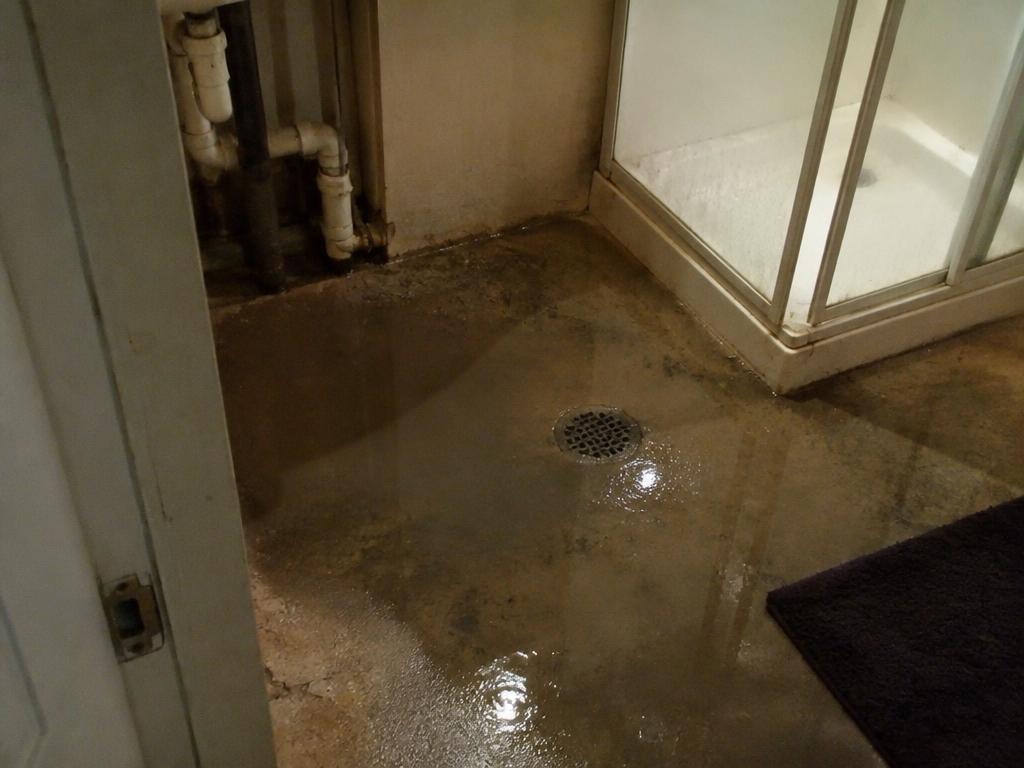
Roots, grease, scale, bellies, and broken pipe — how to tell which one you have instead of paying to snake it again.
Read More →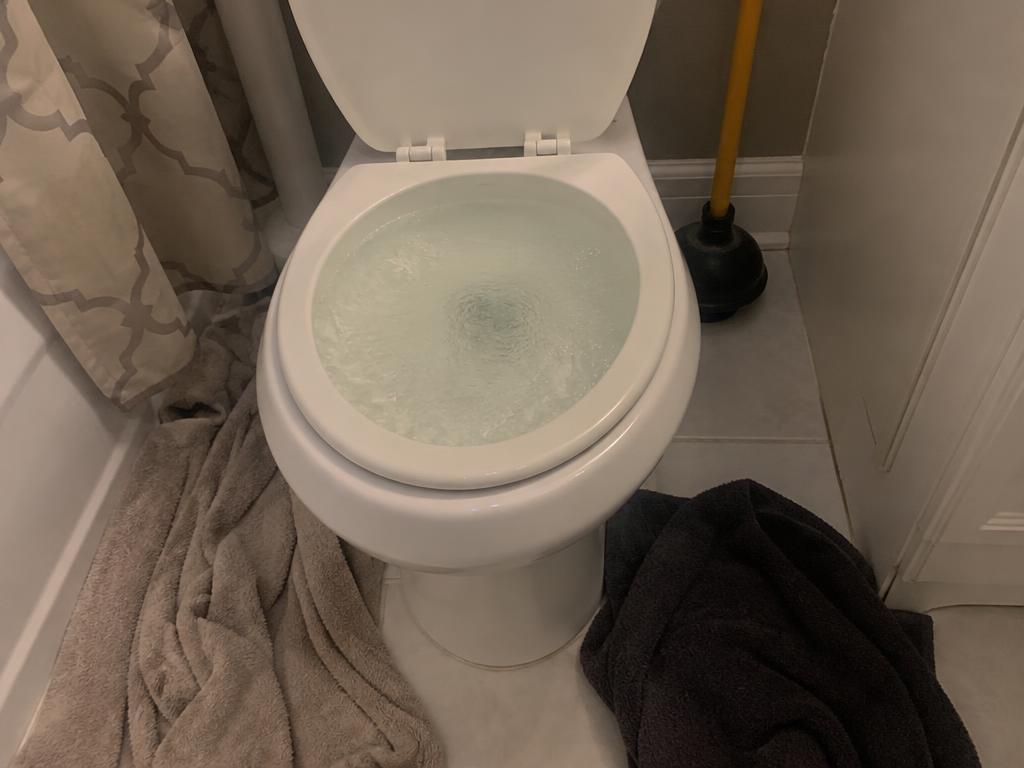
The symptoms that separate a single blocked fixture from a main line problem — before it reaches your floor.
Read More →
What main line cleaning runs here, the four things that move the price, and when a camera pays for itself.
Read More →Free estimates, camera-verified results, and 24/7 emergency response across Colorado Springs and the Front Range.
Call Now — (719) 639-4137Request Service