Hydro jetting uses high-pressure water to scour the inside of a drain or sewer line back to bare pipe — removing grease, sludge, scale, and roots instead of just poking a hole through them.
Call Now — (719) 639-4137Request ServiceHydro jetting is drain cleaning with water instead of steel. A jetter pump pushes water through a hose at high pressure — typically 1,500 to 4,000 PSI on residential and commercial sewer work — out through a specialized nozzle at the end of the hose. Most of the water fires backward at an angle. That does two things at once: it drags the hose up the pipe on its own, and it blasts the pipe wall clean as it travels, flushing everything it loosens back down to the city main or septic tank.
The result is a line that's actually clean, not just temporarily open. That distinction is the whole point of jetting, and it's why a jetted line usually stays clear far longer than a cabled one.
There are three parts that matter:
A drain cable (a snake) is a rotating steel line with a cutting head. It's excellent at one job: boring through a blockage so water starts moving again. What it doesn't do is clean. After cabling, the grease ring, the scale, and the root hairs are still on the pipe wall — just with a channel through the middle. That's why the clog comes back.
Jetting removes:
If you want the head-to-head version, read hydro jetting vs drain snaking.
Jetting a line blind is how pipes get damaged and how homeowners get charged for work that never had a chance of solving the problem. The sequence that works:
Jetting solves buildup. It does not solve broken pipe. We'll recommend against it when:
In those cases the honest answer is repair, not repeat cleaning. See is hydro jetting safe for older pipes and excavation drain repair.
Homes with mature trees over the sewer line, houses built before the 1980s with clay or cast iron, properties on well water or hard municipal water where scale builds fast, rentals where tenants put things down drains they shouldn't, and any commercial kitchen, car wash, or dealership bay with grease or sediment loading. If a drain has been snaked more than once in two years, jetting is almost always the cheaper answer over time.
Want to know whether your symptoms point to buildup? Start with signs you need sewer hydro jetting, or call and describe what's happening — we'll tell you straight.
See our hydro jetting service in Colorado Springs →
We handle this problem every week across the Pikes Peak region: Colorado Springs, Monument, Larkspur, Castle Rock, Castle Pines, Peyton, Woodland Park, Fountain, Manitou Springs, Security-Widefield, Falcon, Black Forest, Palmer Lake, Cimarron Hills, Stratmoor Hills.
Not when it's done correctly. Pressure is matched to the pipe material and condition, which is why we camera the line first. A structurally sound clay, cast iron, ABS, or PVC line handles jetting fine. A cracked or collapsing pipe does not, and we'll tell you that instead of jetting it.
Most residential main lines take one to three hours including the camera inspection before and after. Heavy grease lines in restaurants, or long rural laterals, can run longer.
Someone needs to give us access to the cleanout or the interior access point. After that you can go about your day — we'll walk you through the camera footage when we're done.
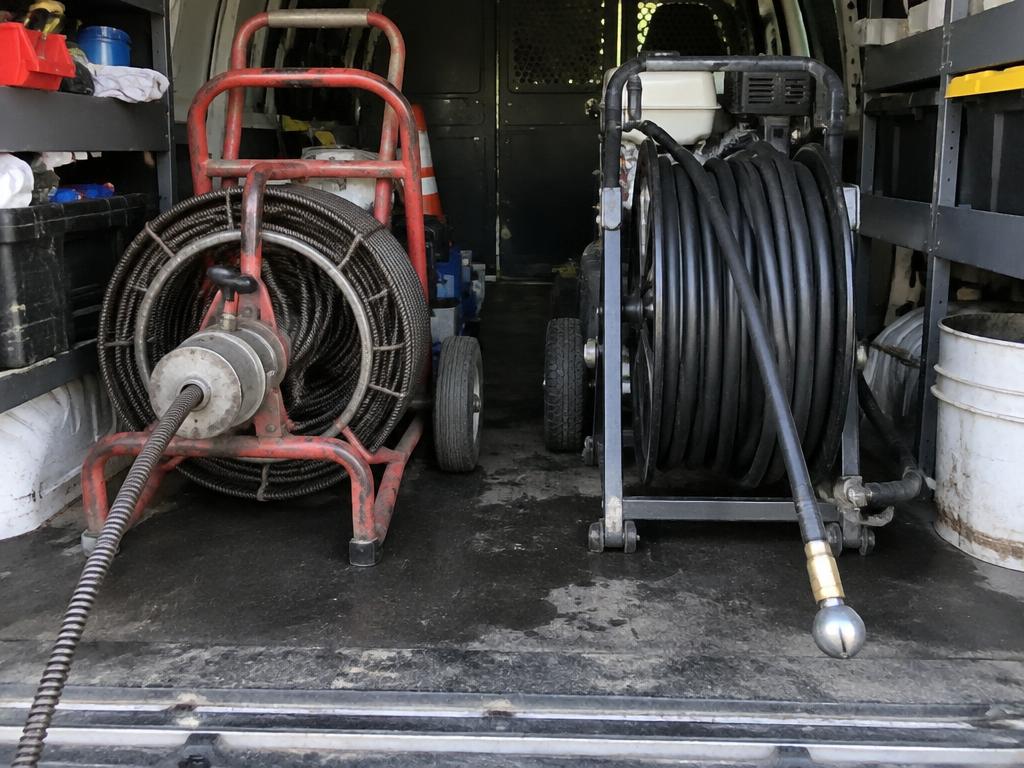
Two very different tools. One punches a hole through the clog, the other cleans the pipe wall to wall.
Read More →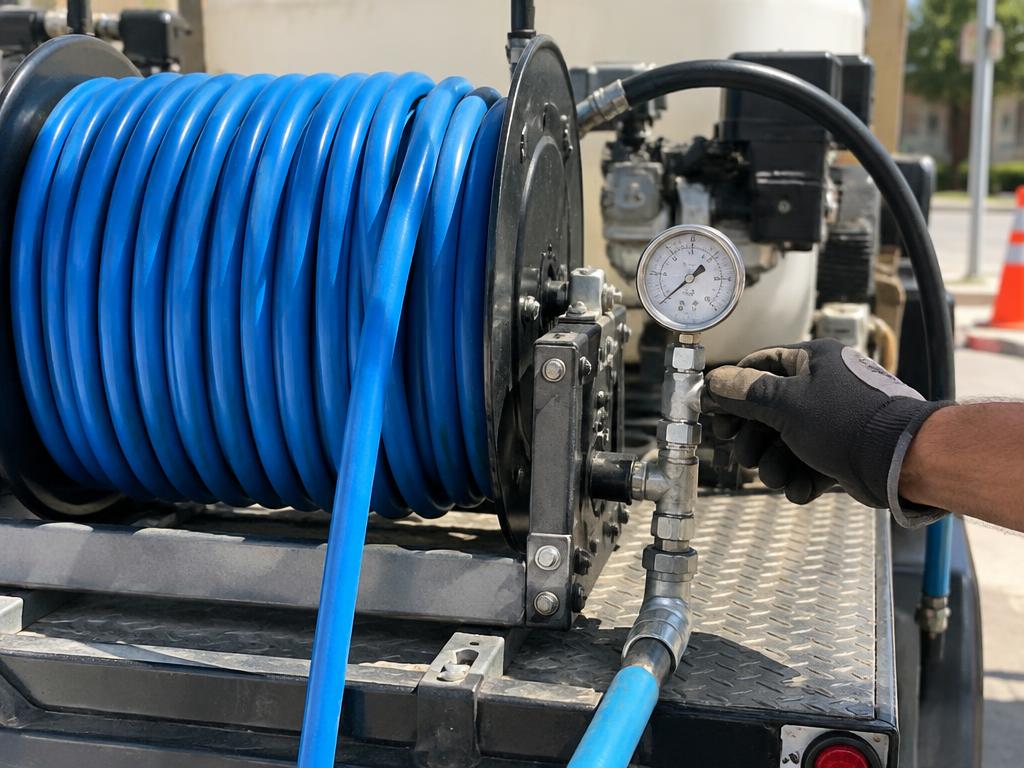
What drives the price up or down, what's included, and how to avoid paying for jetting you don't need.
Read More →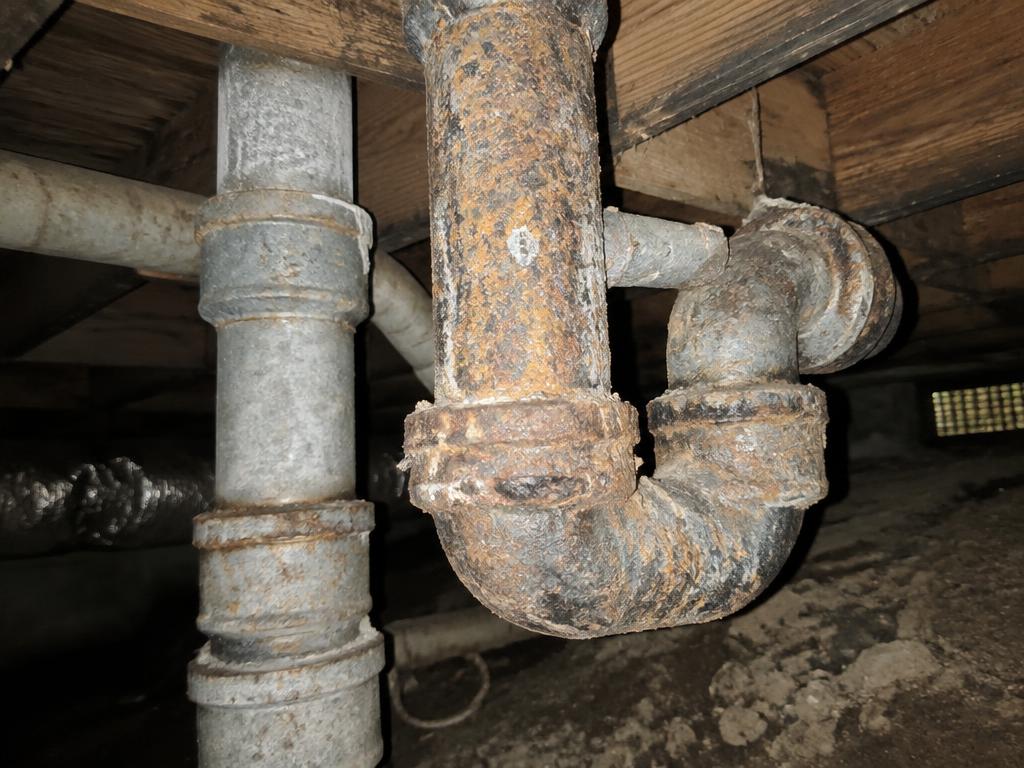
Clay, cast iron, Orangeburg — when jetting is safe on an older Colorado Springs line and when it isn't.
Read More →Free estimates, camera-verified results, and 24/7 emergency response across Colorado Springs and the Front Range.
Call Now — (719) 639-4137Request Service