A drain that clogs once is bad luck. A drain that clogs every few months has a cause — and it's almost never the thing that went down it last. Here are the six causes behind nearly every repeat clog we see in Colorado Springs.
Call Now — (719) 639-4137Request ServiceKitchen waste, dish soap, shampoo, and laundry detergent leave a tacky film that cools and hardens inside the pipe. Each cycle adds a layer. Eventually the effective diameter of a 2-inch line is closer to half an inch, and anything solid stops there. A cable punches through the middle of it and leaves the rest behind, which is why the clog returns.
Front Range water is mineral-rich. Over a decade or two, scale builds into a rough, chalky lining that both narrows the pipe and gives grease something to grip. This is a big part of why homes in Colorado Springs and Peyton clog more often than the pipe's age alone would suggest.
If several fixtures slow down together, the branch drains aren't the problem — the main is. Roots enter at clay and cast iron joints and form a mat that strains everything passing through. Mature trees in older neighborhoods make this the most common main-line cause in the region. Details in why sewers keep backing up.
Soil settlement leaves a low spot where water stands instead of flowing. Solids drop out in the puddle and accumulate. No amount of cleaning changes the geometry — you either maintain it on a schedule or dig and correct it with excavation repair.
Drains need air behind the water to flow properly. A blocked roof vent, a bird's nest, or an undersized vent on a remodel makes every fixture on that branch sluggish. Gurgling sounds and a toilet that bubbles when the washer drains are the giveaways.
"Flushable" wipes are the worst offender we see — they don't break down and they catch on every rough spot. Coffee grounds, rice, eggshells, and cooking oil are close behind. Hair and soap in a shower line is normal wear, but a hair catcher costs a few dollars and prevents a service call.
Two steps end almost every recurring clog:
Not sure which method your line needs? Compare them in drain cleaning vs hydro jetting, or ask us — we'll tell you if cabling is enough.
See our drain cleaning service in Colorado Springs →
We handle this problem every week across the Pikes Peak region: Colorado Springs, Monument, Larkspur, Castle Rock, Castle Pines, Peyton, Woodland Park, Fountain, Manitou Springs, Security-Widefield, Falcon, Black Forest, Palmer Lake, Cimarron Hills, Stratmoor Hills.
Because something in that branch is holding material — usually grease and soap film, mineral scale from our hard water, or a low spot in the pipe. Cabling opens a channel through it; it refills on a schedule.
Often, yes. They can soften a blockage briefly, then the residue re-hardens further down the line. On older cast iron they also accelerate corrosion, and they make the eventual mechanical cleaning more hazardous.
Hard water contributes. Mineral scale builds on pipe walls over years, narrowing the diameter and giving soap and grease a rough surface to cling to. It's a common reason older homes clog more often than newer ones.
Sometimes. A blocked or improperly sized vent starves the drain of air, so waste moves sluggishly and leaves more behind. Gurgling drains and toilets that bubble when another fixture drains are the classic clues.
Removing the buildup instead of poking through it. Hydro jetting scours the pipe wall to wall, and a camera inspection confirms whether the pipe is sound or needs repair.
What a fixture clog, a main line clearing, and a jetting job actually cost here — and what drives the number up.
Read More →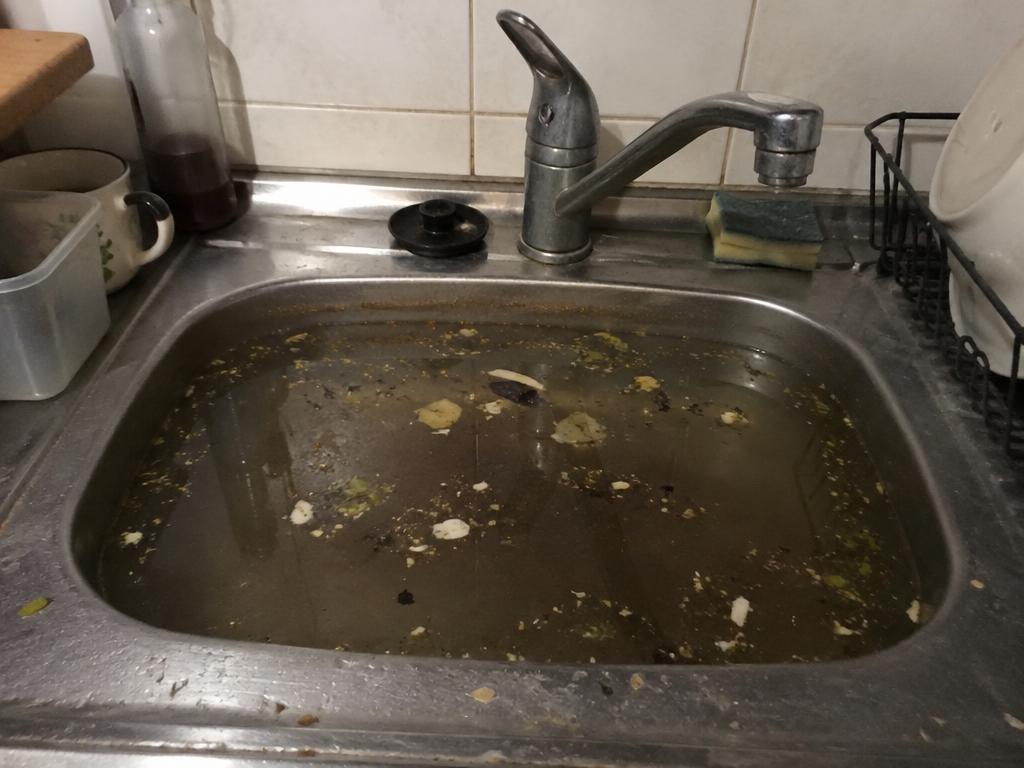
Grease, disposals, and double-sink traps — why kitchen lines clog and what actually clears them.
Read More →
Gurgling is air fighting water. Vent blockages, partial clogs, and main line warnings explained.
Read More →Free estimates, camera-verified results, and 24/7 emergency response across Colorado Springs and the Front Range.
Call Now — (719) 639-4137Request Service